Understanding French Culture Through Everyday Rituals

Wednesday February 11, 2026 | French Language | Posted by French Abroad
Culture often reveals itself not in grand statements, but in the small, repeated actions we barely notice. When learning French and traveling in France, daily rituals become teachers: the way someone greets you, where you sit in a café, how a baker wraps a baguette. These micro-behaviors illuminate values like politeness, community, and patience. By paying attention to everyday gestures, language learners gain practical insight into how French speakers navigate social life—and how you can join in with confidence.
Boulangerie habits
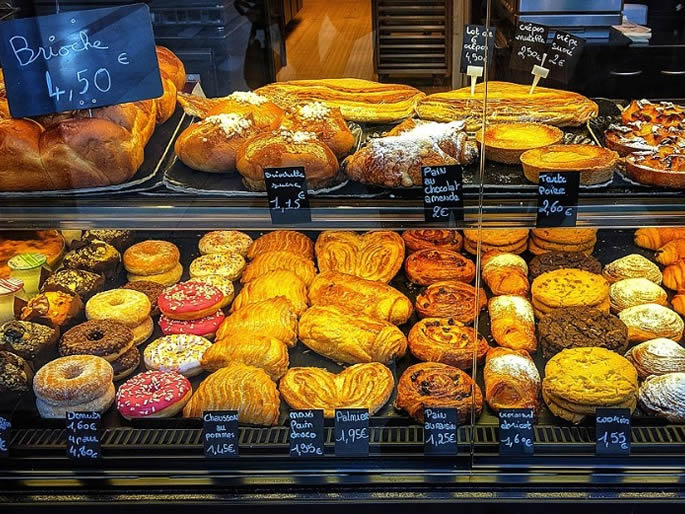
The French bakery is more than a place to buy bread; for the French it’s a social ritual. In most towns, you’ll notice:
- Queuing: People line up with a calm rhythm, often in a single file, speaking softly or greeting neighbors as they wait.
- Greeting and politeness: A simple “Bonjour” with a smile goes a long way. Don’t skip the greeting even if you’re in a hurry.
- Language in action: Common phrases include “Bonjour, une baguette, s’il vous plaît,” or “Merci, au revoir.” Bakers often respond friendly, offering advice on crusts or fillings.
- Takeaway etiquette: When you wrap your items, the staff may offer tips on keeping bread fresh, or remind you to weigh or weigh-and-tell if needed in some shops.
Tip for French learners: Practice a brief, friendly exchange with any bakery staff. It’s low-stakes, and the staff expect basic politeness. You’ll hear local phrasing in French while you observe how restaurant or bakery routines work (and possibly vary by region). Read more: The Art of French Conversation: Tips for Real-Life Practice
Café culture
Cafés are living rooms for the city, places where conversations, work, and people-watching mingle. Key notes for learners:
- The pace: In France, cafés are social spaces as well as service vendors. A quiet drink can become a long, relaxed break— with time for conversation or work.
- Ordering language: Common routes include “Un café, s’il vous plaît,” or for something stronger, “Un espresso, s’il vous plaît,” followed by “Merci.” If you linger, you might hear “Vous désirez autre chose ?” and respond with a simple “Non, merci.”
- Seating and sharing: It’s common in France to share a table with strangers during busy hours, or to sit outside if the weather allows. If you’re with friends, a longer stay is perfectly normal.
- Etiquette around payment: In many cafés, customers pay after finishing their drink at the counter; in others, the server will bring the bill to the table when asked. If you’re unsure, ask politely: “L’addition, s’il vous plaît.”
- The art of conversation: Small talk—weather, culture, travel—often leads to longer conversations. Listen for cues that signal when it’s your turn to speak or to listen.
Tip for language learners: Observe the rhythm of service. Listening for phrases like “Bon, merci,” or “À bientôt” can cue appropriate closing remarks. Try to practice real conversation. Read more: Immerse Yourself in French Culture when Learning French
Apéro and social gatherings
The apéro is more than a pre-dinner drink; it’s a social ritual that signals hospitality and community:
- Timing and setting: Apéro typically starts mid-to-late afternoon and can stretch into early evening. It’s common to share small plates—nuts, olives, tapenades, or mini quiches.
- Language and tone: Conversation flows easily; greetings are warm, often with “Salut” or “Bonjour.” Phrases to know include “Santé!” (Cheers) and “Ça va?” (How are you?).
- Social etiquette: The host often introduces guests, and guests reciprocate with small talk and polite listening. You’ll see a natural balance of giving attention, sharing stories, and enjoying the food.
Tip for language earners: If invited to an apéro, bring a small contribution or offer to make a simple dish. Use it as a chance to practice introductions and small talk: “Enchanté(e). Je suis [Your Name]. D’où venez-vous ?”
Read more: 12 French Phrases You Need to Know for Everyday Conversation

French culture
French culture reveals itself in quiet, repeated actions: how you greet a baker, how you linger over a café drink, how an apéro becomes a moment of communal connection. By engaging with these rituals, you not only learn practical language but also gain empathy for how French social life is organized. Immerse yourself in French culture while studying French in France.
Reading Tips:
Interested in a French Course Abroad?
You Might also Want to Read



Leave a Reply